Vic.ai
Autonomous invoice processing and approvals for mid market and enterprise finance teams.
What is Vic.ai?
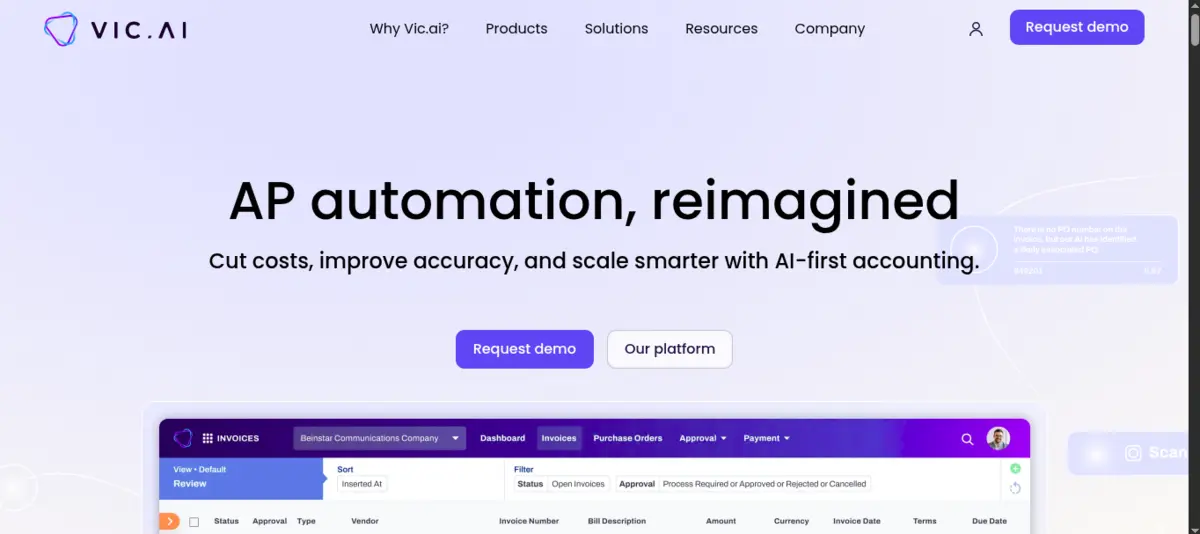
Vic.ai reads incoming invoices, identifies the vendor, extracts header and line-level data, assigns the correct GL account and cost centre, routes the invoice through the appropriate approval chain, and pushes the approved transaction to the ERP. The system is trained on hundreds of millions of real-world invoices rather than relying on rigid templates, which means it handles variation in invoice formats - different layouts, languages, and levels of detail - without manual rule configuration.
The goal is autonomous processing. Once tuned to a company’s coding patterns, Vic.ai processes a large share of invoices without human touch. AP clerks shift from reviewing every invoice to managing exceptions - the ones the system flags as uncertain or outside its confidence threshold. This lets teams absorb volume growth without adding headcount proportionally.
Native integrations cover the mid-market ERP landscape including NetSuite, Sage Intacct, Microsoft Dynamics 365, and others. The platform also provides analytics on processing metrics, autonomy rates, and exception patterns so finance leaders can track how the AI is performing and where manual effort still concentrates.
Where it shines
The autonomy rate is the headline metric, and it delivers. Mature deployments report that a significant majority of invoices flow through without manual intervention - the exact percentage depends on invoice complexity and how consistently the company has coded in the past, but the shift from “review everything” to “review exceptions” is real and measurable.
Because the AI model is trained on a massive cross-company dataset rather than starting from scratch for each customer, it arrives with baseline intelligence on day one. It recognises common vendor names, standard invoice layouts, and typical GL structures before seeing a single invoice from your company. Fine-tuning on your specific data then pushes accuracy higher.
The audit trail is thorough. Every decision the AI makes - which GL account it chose, what confidence level it assigned, whether a human reviewed it - is logged and accessible. This matters for SOX compliance, external audits, and internal controls reviews. Auditors can see not just the final coding but the reasoning and confidence score behind it.
Processing speed is another advantage. Invoices that would sit in a queue waiting for a human reviewer move through the system in minutes. For companies with time-sensitive vendor relationships or early payment discount opportunities, this speed translates directly to cash savings.
Where it falls short
Vic.ai is not built for small businesses. Implementation takes weeks, involves configuration of GL mappings, approval workflows, and ERP integration, and requires dedicated attention from both the vendor and the customer’s finance team. The pricing reflects the enterprise positioning - expect a meaningful annual commitment.
The value proposition depends on volume. A company processing a few hundred invoices per month may not see enough return to justify the investment. The payback becomes compelling at higher volumes where labour savings from autonomous processing stack up month after month. Below that threshold, simpler tools deliver adequate automation at lower cost.
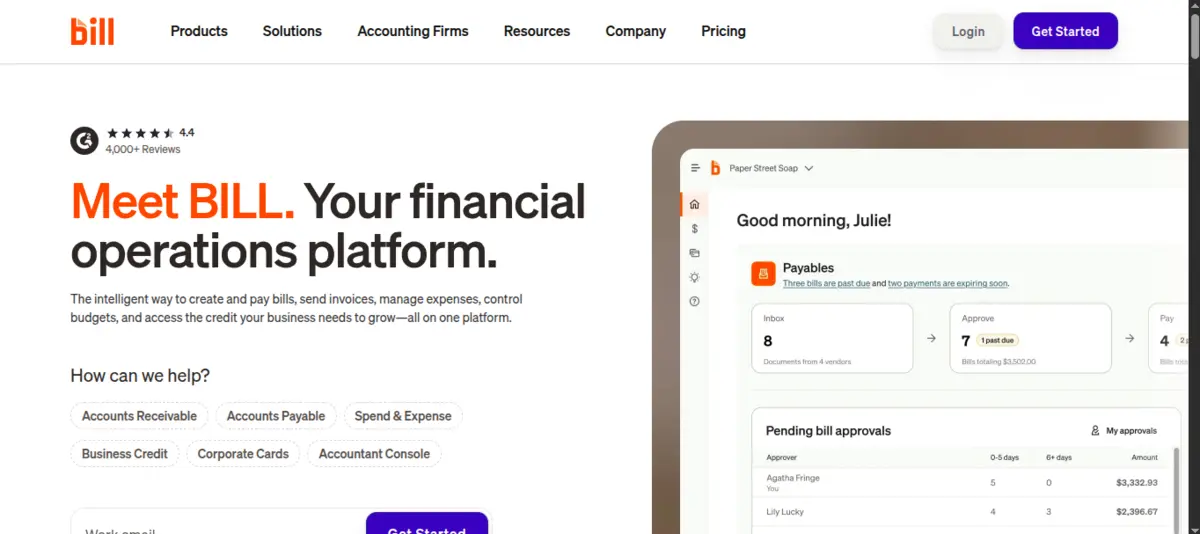
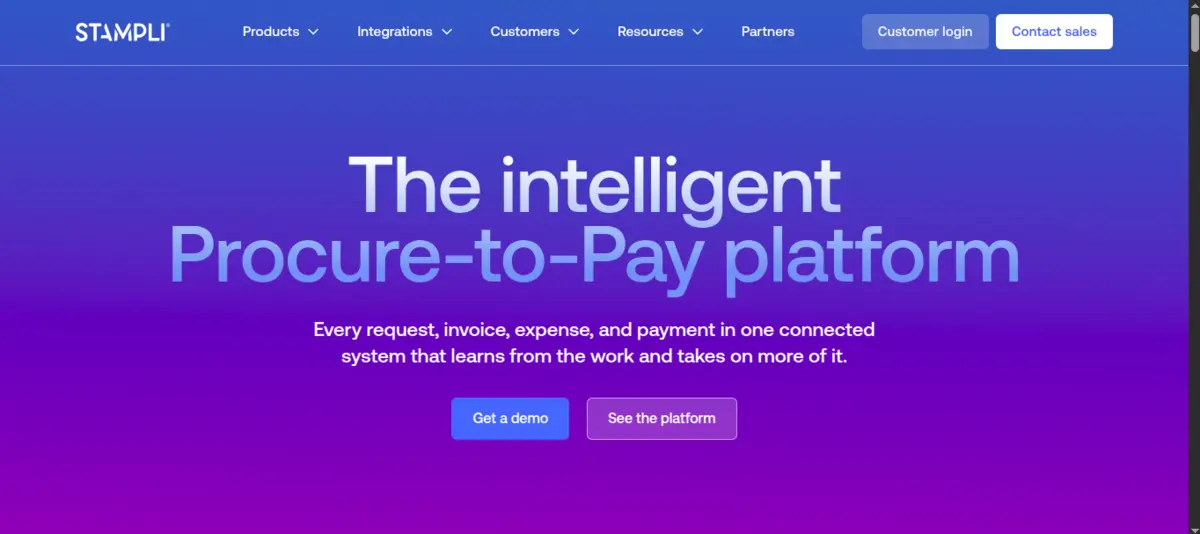
For mid-market teams that want AP automation with strong ERP flexibility and a collaboration-first approach, Stampli offers a lighter-weight alternative that is faster to deploy. For small businesses that need straightforward invoice processing and payment, BILL covers the basics at an accessible price point.
Conclusion
Vic.ai is the right fit for enterprise AP teams drowning in invoice volume and looking for genuine autonomy rather than incremental automation. The shift from manual review to exception management is a step change in productivity. Just make sure the volume justifies the investment - this is a tool that rewards scale.